
The “Eyes” into the Lungs: Why Single-Use Bronchoscopy is Changing Airway Management
Mar 20, 2026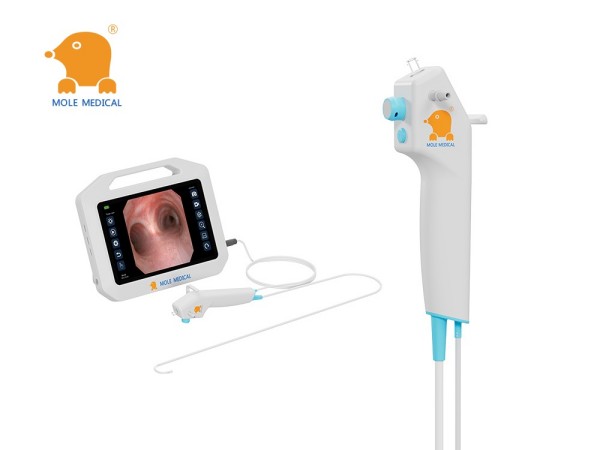
Meta Description: Discover how single-use bronchoscopes from Mole Medical are revolutionizing airway management. Learn about the benefits of disposable, high-visibility technology for improved patient safety and clinical efficiency.
Introduction: From Reusable to Revolutionary
Think of a bronchoscope as the “eyes” that allow doctors to see deep inside the lungs. A traditional reusable bronchoscope is like a lens that needs careful, repeated cleaning between uses. In contrast, a single-use bronchoscope is like a brand-new magnifying glass with every use—clean, clear, and free from concerns about residue or cross-contamination. How does this innovative device work its way through the airways, and why are more and more hospitals making it a standard part of their clinical toolkit? At Mole Medical, we believe the answer lies in two key concepts: visualization and single-use technology.
Part 1: The Challenge of “Waiting” in Airway Management
The core task of bronchoscopy is straightforward: to visualize the trachea and bronchi, enabling procedures such as suctioning secretions, removing foreign objects, performing bronchoalveolar lavage (BAL), or guiding intubation.
Historically, this relied on reusable fiber-optic or video bronchoscopes. After each procedure, these devices must undergo a lengthy and complex reprocessing cycle: cleaning, disinfection, sterilization, drying, and biological monitoring. This process can take anywhere from several hours to an entire day. If a patient carries multidrug-resistant organisms, the required disinfection level increases, further extending turnaround time. During night shifts, emergencies, or back-to-back procedures, clinicians are often left waiting for a ready scope.
Part 2: Single-Use Technology: Eliminating “Wait Time” and Infection Risk
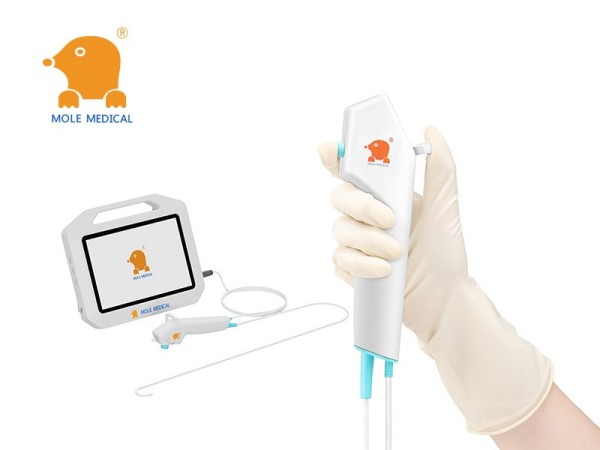
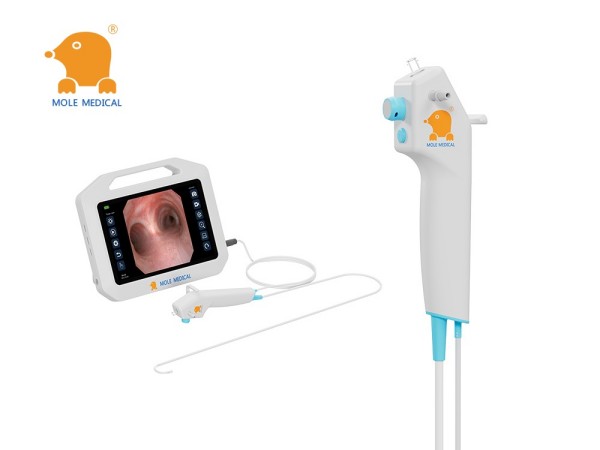
The single-use bronchoscope eliminates the “waiting” phase entirely. Each device arrives in an individually sterile package, having undergone terminal sterilization (e.g., ethylene oxide or radiation). It is unpacked, connected to a handle and display screen, and is immediately ready for use.
Once the procedure is complete, the scope is disposed of as medical waste according to protocol. The handle and display remain for the next case. There is no brushing, no chemical immersion, and no need for complex reprocessing validation. This not only saves significant labor and time but also completely severs the potential pathway for cross-contamination. For patients with tuberculosis, multidrug-resistant infections, or compromised immune systems, this “one-patient, one-scope” model provides a direct and robust safety barrier.
Part 3: Debunking Myths: Performance, Cost, and Environmental Impact
A common concern is that “single-use” might equate to lower performance. The reality is quite the opposite. Freed from the need to withstand repeated high-pressure and high-temperature reprocessing cycles, the materials and design can be optimized differently. Engineers can create thinner insertion tubes and achieve greater bending angles. The image sensor at the tip maintains its factory-fresh resolution and color fidelity. Every scope a clinician uses is in a “zero-wear” state: images remain brilliantly clear during BAL, and the suction channel remains free of micro-scratches that can harbor debris. The clinical experience matches that of a pristine, high-end reusable scope—without the maintenance headaches.
The financial perspective also adds up. When accounting for the total cost of ownership—including water, detergents, disinfectants, biological monitoring, labor for reprocessing, repair costs, and downtime due to scope unavailability—the cost-per-procedure becomes comparable, if not favorable. Additionally, it eliminates the hidden costs associated with potential hospital-acquired infections linked to reprocessing failures. For ICUs, emergency departments, and ambulatory surgery centers, the need for backup scopes is reduced, transforming workflow from “waiting for the scope” to “the scope is ready when you are.”
What about environmental impact? Modern single-use bronchoscopes primarily use medical-grade polymers, weighing significantly less than the metal and fiber-optic bundles of reusable scopes. Through regulated medical waste streams involving high-temperature treatment or incineration, they are responsibly managed. The industry is also actively exploring component recycling solutions. When weighed against the potential environmental and human cost of hospital-acquired infections, extended antibiotic use, and longer hospital stays, the overall footprint is being actively addressed and minimized.
Part 4: Complementary Roles in Modern Medicine
Single-use technology does not seek to replace reusable bronchoscopes entirely. Instead, they serve complementary roles:
Single-use scopes excel in high-frequency, high-risk, and high-turnover scenarios: emergency departments, code blues, isolation rooms, and teaching environments.
Reusable scopes remain valuable for routine screenings, research protocols, and long-term follow-up cases.
Together, they form a more flexible, efficient, and traceable respiratory interventional ecosystem.
Conclusion: Mole Medical’s Commitment to Clarity and Safety
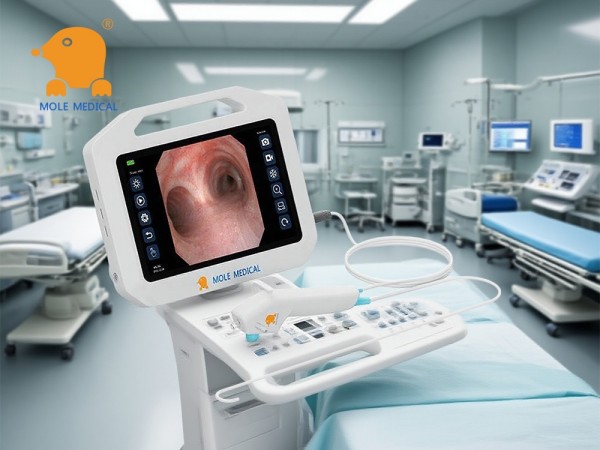
At Mole Medical, our single-use video bronchoscopes are assembled in a certified cleanroom and undergo rigorous individual testing for sealing integrity, functionality, and imaging quality. They are designed to meet stringent electrical safety and biocompatibility standards and seamlessly integrate with standard large-format monitors and recording systems.
The next time a bronchoscopy is needed, the question changes from “Is the scope ready?” to “The scope is ready.” With a simple unpacking, a high-definition visual pathway is instantly available. This gives back precious time to clinicians and patients alike, while leaving the risks of infection and maintenance burdens in the past.
Explore how Mole Medical’s single-use bronchoscopy solutions can enhance safety, efficiency, and predictability in your airway management practice.


Categories
Latest Articles
The “Eyes” into the Lungs: Why Single-Use Bronchoscopy is Changing Airway Management
Meta Description: Discover how single-use bronchoscopes from Mole Medical are revolutionizing airway management. Learn about the benefits of disposable, high-visibility technology for improved patient safety and clinical efficiency. Introduction: From Reusable to Revolutionary Think of a bronchoscope as the “eyes” that allow doctors to see deep inside the lungs. A traditional reusable bronchoscope is like ... Read more
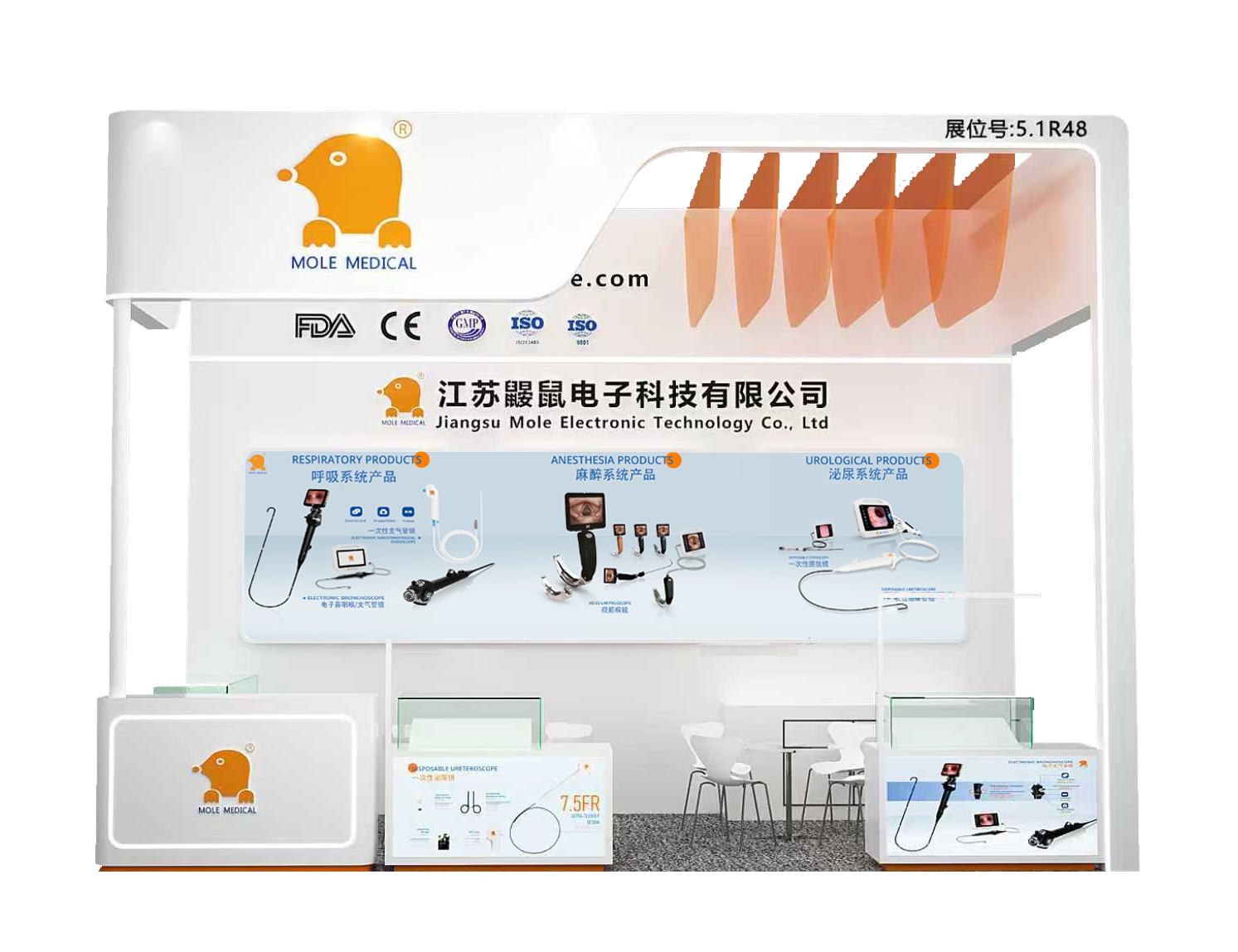
MoleMedical to Showcase Full-Scope Visualized Endoscopy Solutions at CMEF Shanghai Spring 2026
Jiangsu MoleMedical Electronics Technology Co., Ltd. is pleased to announce its participation in the 93rd China International Medical Equipment Fair (CMEF), Spring 2026, in Shanghai. As a leading innovator specializing in endoscopic visualization technologies, we extend a warm invitation to global medical professionals, distributors, and industry partners to visit our booth and explore our comprehensive solutions ... Read more
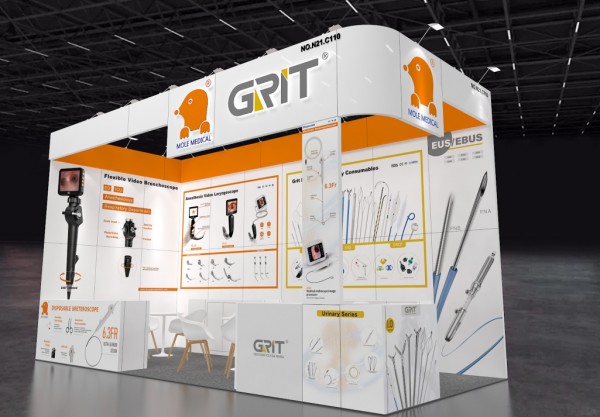
MoleMedical Shines at WHX Dubai 2026: Showcasing Full Range of Medical Endoscopes & Forging Global Partnerships
The 51st World Health Expo Dubai (WHX Dubai 2026), formerly known as Arab Health, concluded successfully after a four-day showcase from February 9 to 12, 2026, at the Dubai Exhibition Centre (DEC) . As a leading global event in the medical device industry, this year’s exhibition welcomed over 4,300 exhibitors and 235,000 professional visitors from ... Read more

How to Choose a Reliable Video Laryngoscope Partner? MoleMedical Empowers Airway Safety with Technical Expertise & Clinical Validation
In critical moments of emergency and intensive care, the video laryngoscope is essential for securing the airway – a procedure where performance directly dictates resuscitation success and patient outcomes. Faced with significant technical variations among equipment suppliers, healthcare institutions require a rigorous evaluation framework. Three dimensions are non-negotiable: Technical Autonomy, Clinical Efficacy, and Service Responsiveness. ... Read more
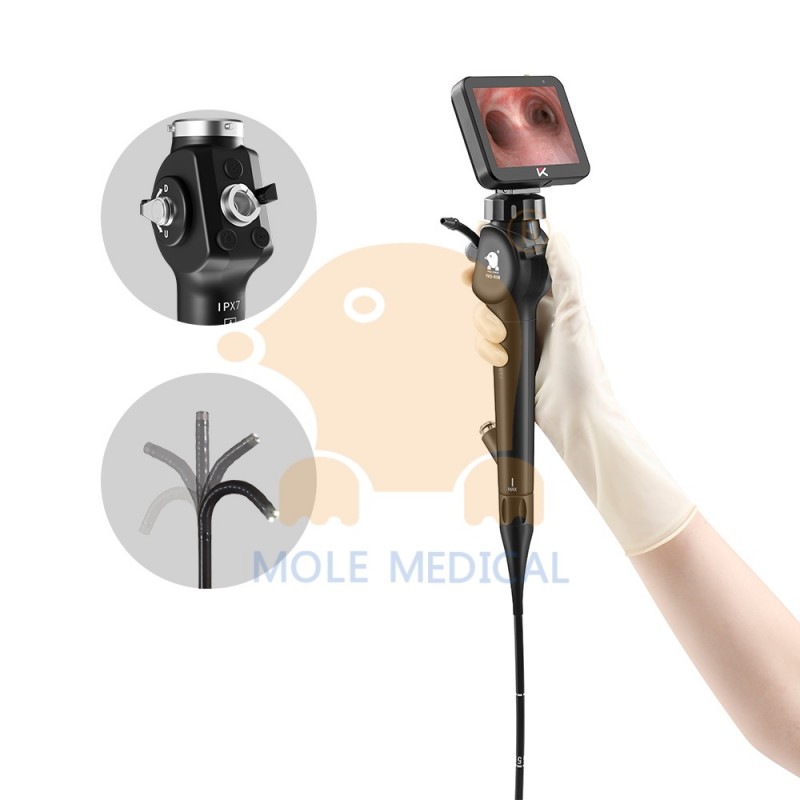
How to Choose the Best Flexible Bronchoscope Manufacturer? Three Key Dimensions Highlight Mole Medical’s Core Advantages
n respiratory intervention diagnostics, the performance of flexible bronchoscopes directly impacts early lung cancer detection and emergency response success. Facing diverse manufacturers, healthcare institutions should prioritize three critical dimensions: technological autonomy, clinical adaptability, and infection control capabilities. Jiangsu Mole Medical Technology Co., Ltd. has earned global trust through its full-chain R&D capabilities, clinical validation across ... Read more
